
We lay exposed aggregate concrete across Hamilton, on driveways, patios, paths, steps and pool surrounds. The finish is made on site by holding the surface paste soft overnight and washing it back the next morning to reveal the stone, so the weather and the timing matter as much as the mix does. That is work our own crew does rather than a specialist brought in for the day, and it suits a surface that gets looked at, not only driven on.
You choose the stone in daylight before we order, because a sample under a workshop light is not the same colour as a driveway in the sun. Exposed aggregate wants sealing once it has cured and re-sealing after that, and we tell you when at handover rather than leaving you to guess. Every job starts with a free site visit, and the written quote follows it naming the stone you picked.
4.8/5 Ratings
Hamilton
Projects Completed
Years in Business
Happy Clients
Where It Works
The same finish behaves differently depending on what it is carrying and how wet it gets. These are the six we are asked for most.
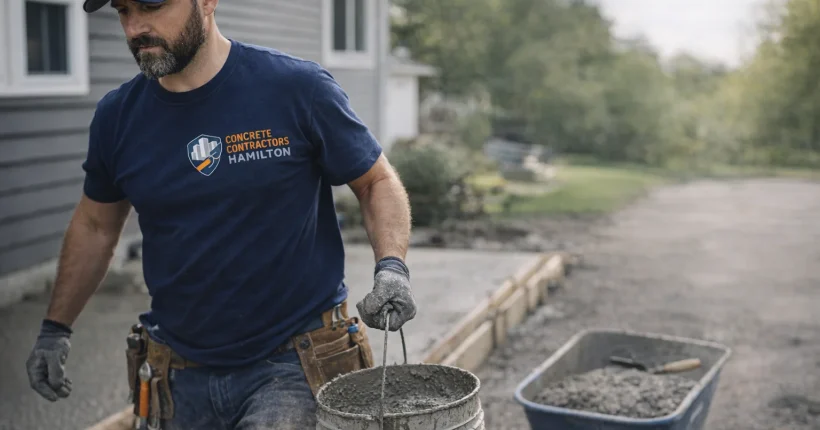
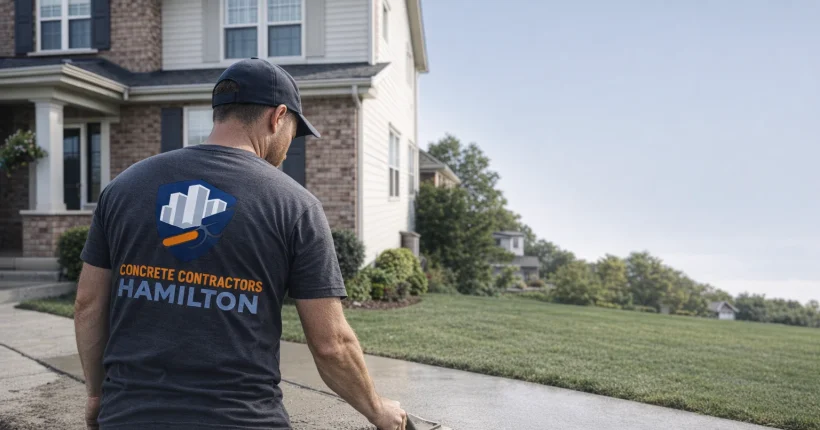
The decorative driveway finish we are asked for most is exposed aggregate, and it is a practical choice as much as a look. The stone texture hides tyre marks, oil spotting and the general grime a driveway collects, which plain grey shows from the first month. We build the slab to the same standard as any driveway, 100 mm of 20 MPa concrete over compacted basecourse with 665 mesh, then bring the stone up on the surface.
Where the driveway meets the road, the crossing is Council-controlled and we handle that side.
On the courtyards and outdoor areas we lay, the stone surface stays gripping while it is wet and hides leaf stain and pollen between cleans. Stone size decides how it feels underfoot, and a large round stone that photographs beautifully can be uncomfortable barefoot, so walk on a sample with no shoes before you commit.
On a courtyard of 15 to 30 square metres the rate runs toward the top of the $130 to $200+ band, since setup and the minimum order do not scale down.
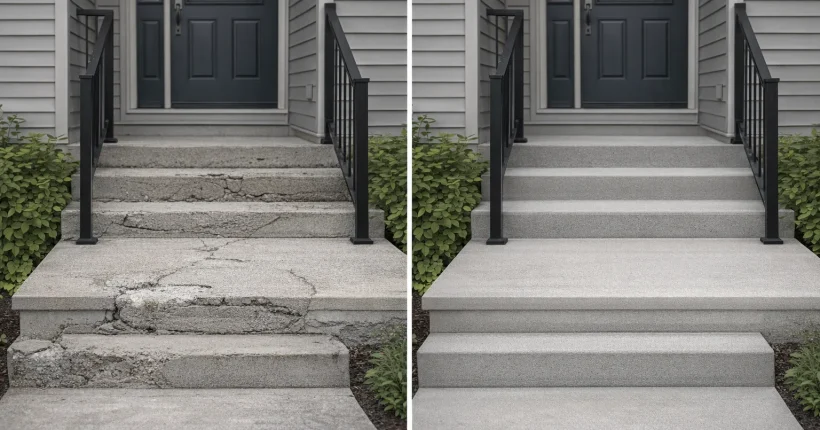
We lay exposed aggregate on shaded paths and steps, where a broom finish grows moss and turns slick by August. On steps we expose the tread and leave the nosing tighter, so the edge stays clean instead of ravelling.
Paths and steps run $100 to $150 per square metre. Give us the rise and going before we box, because changing a step height after the pour means taking the flight out.
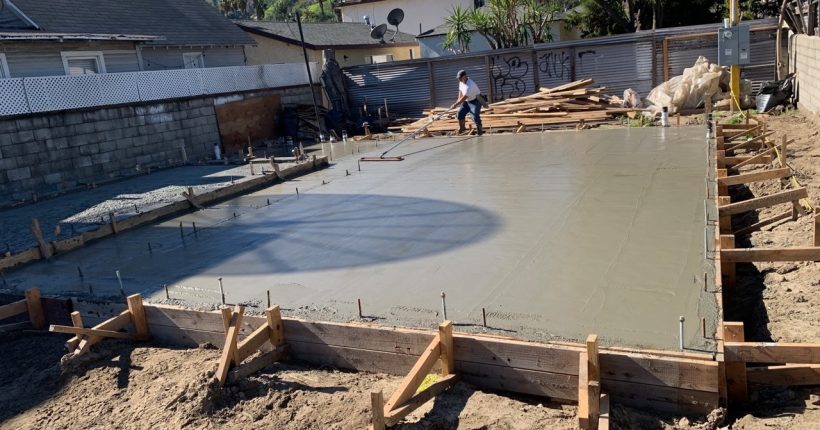
Exposed aggregate is the finish we recommend most often around water. Grip comes from the stone itself, so a soaking surround stays safer underfoot than a smooth patterned finish. We fall the surface away from the pool shell so splash-out drains off the coping, and finish to the classes in NZS 3114.
Chlorinated water is hard on sealer, so a pool surround wants resealing sooner than a driveway. Tell us where the pump and pipework run before we set levels.
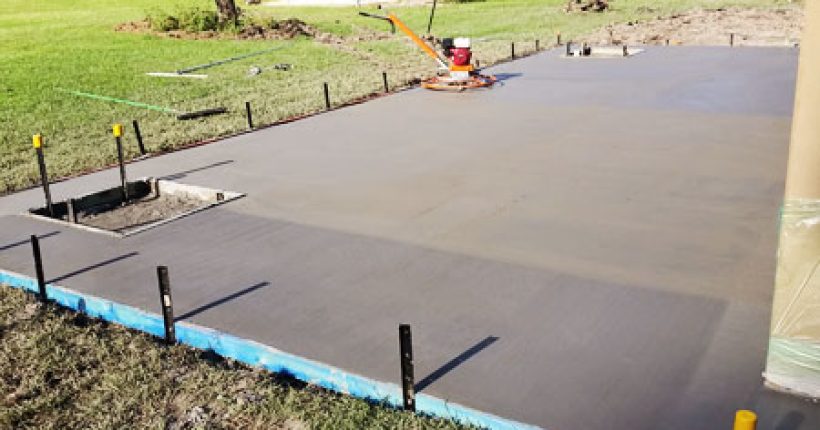
We bring stone samples to site, because selection changes the finished look more than any other decision, and the one people spend least time on. Stone comes in different sizes, colours and mixes, and the same stone reads darker wet than dry and lighter in a sample tray than across 40 square metres.
We show options outdoors in daylight. Where new work meets an existing exposed aggregate surface, bring us a photo early, because matching a stone laid ten years ago is not always possible.
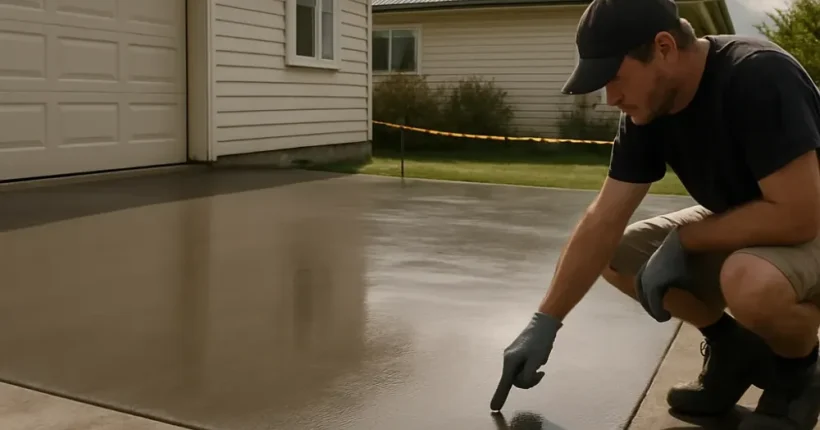
We clean and reseal existing exposed aggregate, because it dulls when the sealer wears off, and most surfaces that look tired are simply due. Cleaning and resealing brings the colour back for a fraction of the $130 to $200+ per square metre a new slab costs.
Where the stone has ravelled and is coming loose in patches, the surface was washed too hard or too early and resealing will not hold it. We will tell you which of the two you have before you spend anything.
Exposed Aggregate Method
STEP ONE
We check the subgrade, the falls and the access, then show you stone options outdoors in daylight. Colour and size get confirmed in writing before we order, because the mix is batched to your selection and it cannot be changed once the truck is loaded. The visit is free.
STEP TWO
The written quote turns up within a few days and states the slab thickness, the concrete grade, the mesh, the stone and the joint layout. We plan the pour around the forecast, since the wash-off happens the morning after and heavy overnight rain on a retarded surface causes real problems.
STEP THREE
Place, screed and float, then spray surface retarder across the slab to hold the top paste soft. The next morning we wash and brush the paste back to expose the stone evenly. Joints get cut once the slab is hard enough. Sealing follows after the surface has dried out properly, which is usually a separate visit.
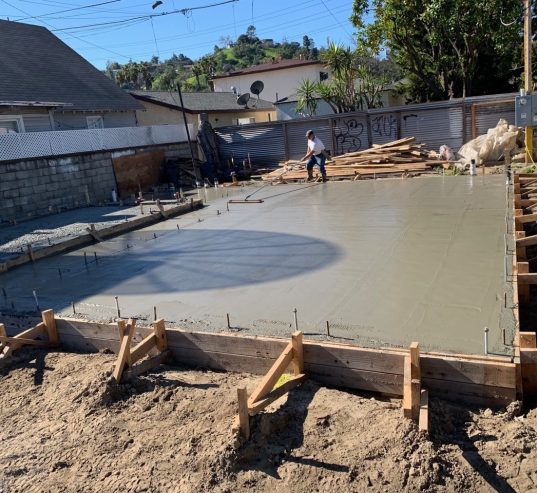
Exposed aggregate runs $130 to $200+ per square metre on areas of roughly 30 square metres and up. Plain broom finish sits at $100 to $150 for comparison, and the retarder, wash-off and stone selection carry the difference. Ranges only, until we have seen the site, and we price after the site visit.
The price movers, roughly in order.
Free Site Visit
A concreter checks the subgrade, the falls and the access, and shows you stone options outdoors in daylight so you see the colour as it will actually look. No charge and no obligation.
Plain concrete costs less and it shows everything. Tyre marks, oil, leaf stain and the grey patchiness that comes with age all sit on the surface in plain view. Exposed aggregate breaks that up visually, so the same amount of dirt reads as texture. On a front driveway that is the whole argument.
Plain wins in two places. It costs less per square metre, which matters over a large area. It is also easier to match later, so a surface likely to be extended or cut into for services is simpler in plain concrete. Exposed aggregate also carries an ongoing sealing cost that plain concrete does not.
Surface Finish and Sealing
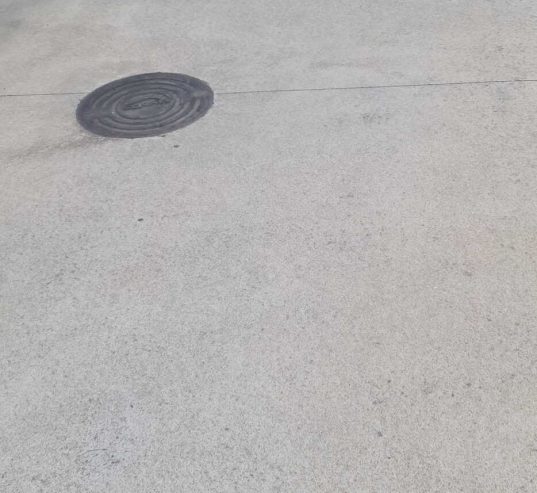
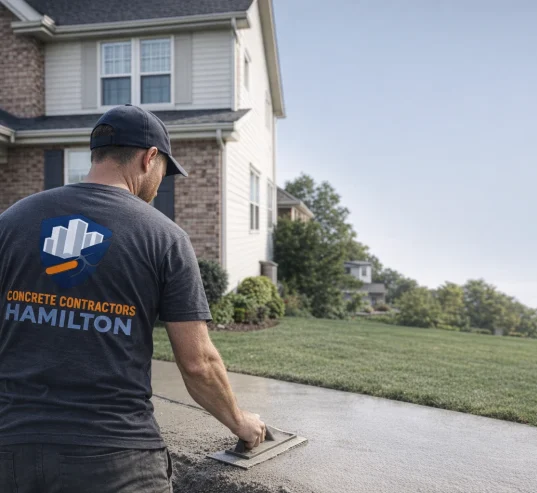
Exposed aggregate is not a coating. The stone is in the concrete from the batch plant, and the finish is made by removing the cement paste covering it. A surface retarder sprayed on after floating stops the top few millimetres setting overnight, and the next morning we wash and brush that paste away to a consistent depth across the slab.
Depth of exposure is the whole craft. Wash too early or too hard and the stone loosens and ravels out later. Wash too late and the paste has gone off, leaving a patchy surface that no amount of sealing hides. Concrete surface finishes are specified nationally under NZS 3114, and it is the reference we work to on finish quality.
Sealing is what keeps the colour up and stops the surface drinking oil and leaf tannin. It is a maintenance item and not a one-off. Most Hamilton driveways want resealing every few years, and a chlorinated pool surround wants it sooner. We quote sealing as a separate line so you can decide when to do it.Exposed aggregate is one of four finishes we lay, and the choice gets easier next to the alternatives, which we price side by side as a Hamilton concreting company.
Concrete surface finishes per NZS 3114. Concrete supply to NZS 3104 and construction to NZS 3109. Reinforcing mesh to AS/NZS 4671. Basecourse built up in compacted layers before the slab goes on. Hamilton rainfall figures from published long-term monthly averages.
Timing and Weather
Exposed aggregate is the one finish where the forecast changes the programme, because the surface is washed the morning after the pour. Four things we plan around in Hamilton.
The slab is poured one day and washed the next. That second morning has to be workable, so we book exposed aggregate around the forecast and will move a date, not wash a slab in driving rain.
July is Hamilton wettest month at about 133 mm across roughly 10 rain days. Winter exposed aggregate is entirely possible here, it simply needs more flexibility on the date than a plain broom finish does.
February averages the fewest rain days of the year at about 7, and January is the driest at roughly 76 mm. Late summer is the easiest window to book decorative work into and it is also the busiest.
Cold slows the set, so the retarder holds the paste soft for longer and the wash-off shifts later in the morning. Heat does the opposite. We judge the timing on the night, not off a calendar.
Booking exposed aggregate means holding some flexibility on the date. We would rather move a pour by two days than hand you a slab with the stone washed out unevenly.
Exposed Aggregate, Hamilton
Driveways, patios, paths, steps and pool surrounds, plus cleaning and resealing of existing work. Licensed, insured and washing stone on Hamilton jobs for over ten years. Share the area and we will show you the options.
Exposed Aggregate Questions
Exposed aggregate runs $130 to $200+ per square metre on areas of about 30 square metres and up. Plain broom finish is $100 to $150, and the stone and wash-off carry the difference. A site visit comes before the final number, anywhere in Hamilton or the wider Waikato.
The stone is in the concrete from the batch plant. We spray a surface retarder after floating, which holds the top few millimetres soft overnight, then wash and brush that paste off the next morning to reveal the stone. Finish quality is specified nationally under NZS 3114.
Yes, and it is ongoing rather than a one-off. Sealing keeps the colour up and stops the surface absorbing oil and leaf tannin. Most Hamilton driveways want resealing every few years, and a chlorinated pool surround sooner. We quote sealing as a separate line.
Yes, with flexibility on the date. The slab is washed the morning after the pour, so that second morning has to be workable. July averages about 133 mm of rain over 10 days in Hamilton, so winter bookings move more often than summer ones do.
Sometimes. Send a photo early and we will look at it before quoting. Stone ranges change over the years and a mix laid a decade ago is not always still available, so an honest answer at the start beats a poor match across a joint in a Hamilton driveway.
Usually not. A dull surface has normally just lost its sealer, and cleaning and resealing brings the colour back for a fraction of a new slab. Where the stone itself is loose and ravelling out in patches, the surface was washed too early and resealing will not hold it together.