
Concrete Contractors Hamilton pours and finishes concrete slabs across Hamilton City, under garden sheds, garages, workshops, sleepouts and house extensions. The load decides the build. A shed asks very little of a slab, a car asks more, and a workshop with a hoist changes the thickness, the mix and the steel again. What the ground is doing sets the rest of it. Peat covers close to a fifth of the city and clay moves through every wet Waikato winter. Ready mix is supplied to NZS 3104 and mesh to AS/NZS 4671. Every job starts with a free on-site assessment, and the quote follows in writing.
Quick Summary:
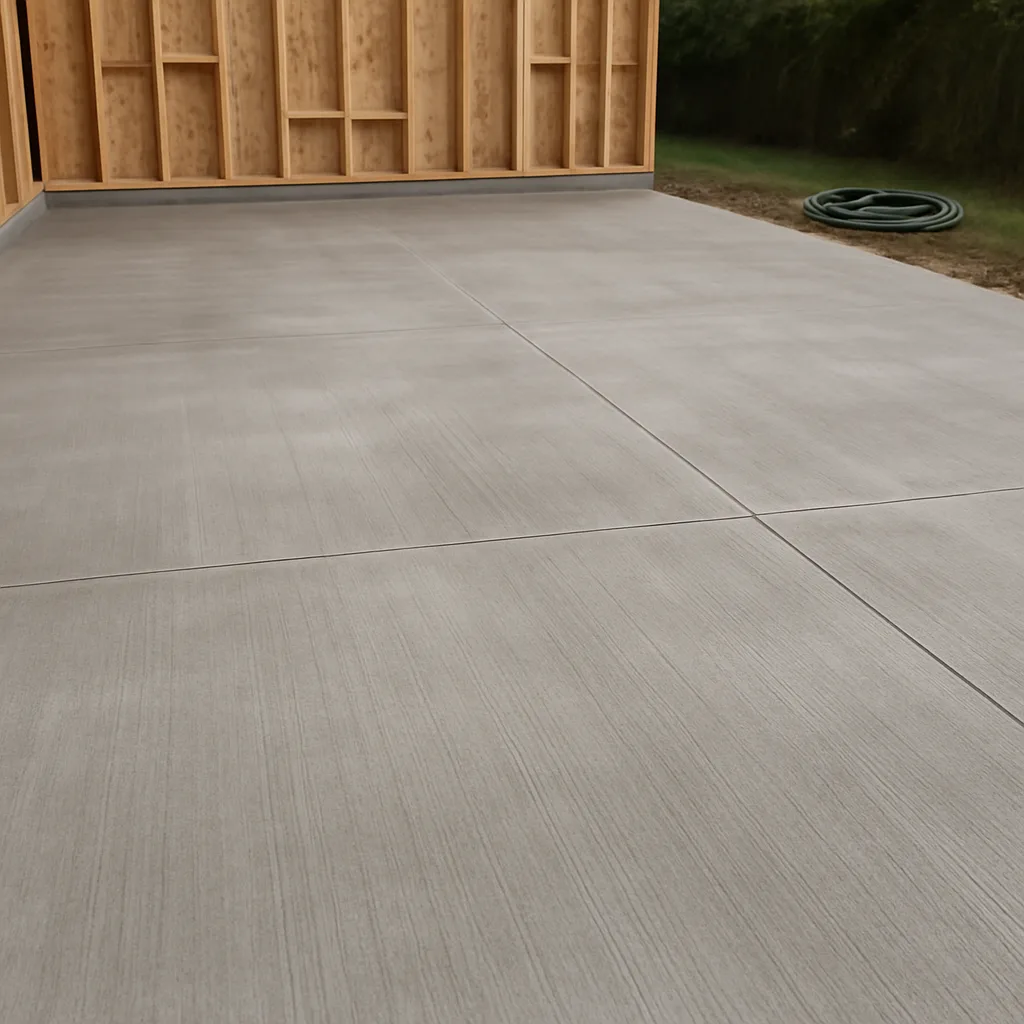
Not every slab needs the same treatment. A garden shed can sit on a 75 mm slab with light mesh in most Hamilton backyards. That slab will not hold up under a parked car or garage. We usually specify thicker garage slabs with heavier reinforcing steel. Vehicle loads put far more pressure on concrete than foot traffic.
House extension slabs are another category. They often need to connect with an existing foundation and match finished floor levels. They may also carry structural loads from a new roofline. Engineer input is often needed on Hamilton’s flat, clay-based sections. Without a properly matched base, the old and new concrete can settle unevenly.
We are often asked whether shed and garage slabs are different. They are, because the base must suit what will sit on it or drive over it for decades.
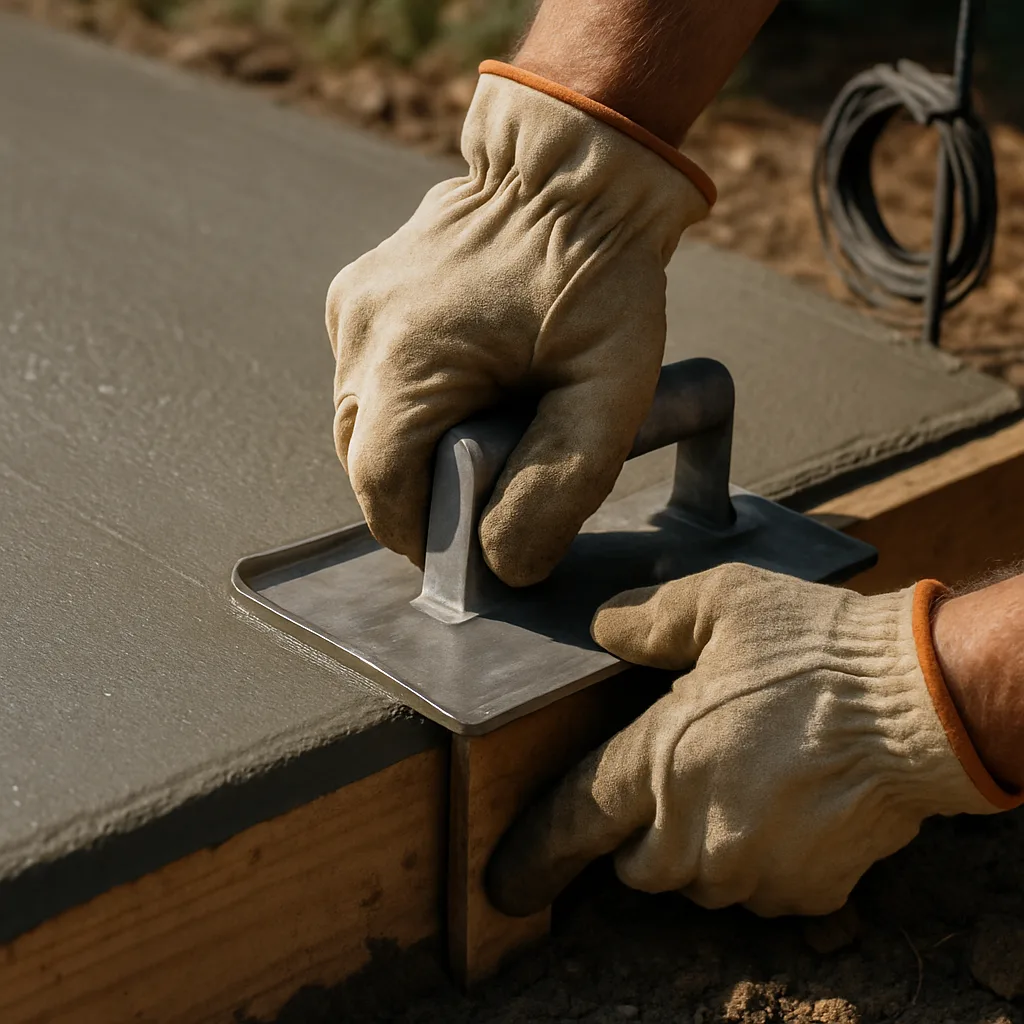
Most people do not see the work beneath a slab. It looks finished on pouring day, but much of the work happened before the truck arrived. Good concrete cannot correct poorly prepared ground.
Many parts of Hamilton have soft, clay-heavy soil. It moves as moisture levels change. Waikato winters are wet, so clay expands when saturated and shrinks as it dries. With poor compaction, that movement travels through the base course into the concrete. We have seen driveways crack within two years because their bases could not handle local conditions. We compact and level each base course to meet Hamilton City Council requirements and Regional Infrastructure Technical Specifications. Those standards account for local ground conditions.
Skip any one of those steps and the slab works against itself from day one.
You can read about our concrete slab process at Concrete Contractors Hamilton | Professional Paving Solutions. We explain how preparation, pouring and finishing fit together across each project stage.
When one quote is lower than another, the difference often sits beneath the concrete. It may include less excavation, base course or compaction rather than a change to the concrete itself.
Not every cracked or worn concrete area needs a full slab replacement. We visit plenty of Hamilton properties where homeowners expect a full repour, but the existing slab remains sound.
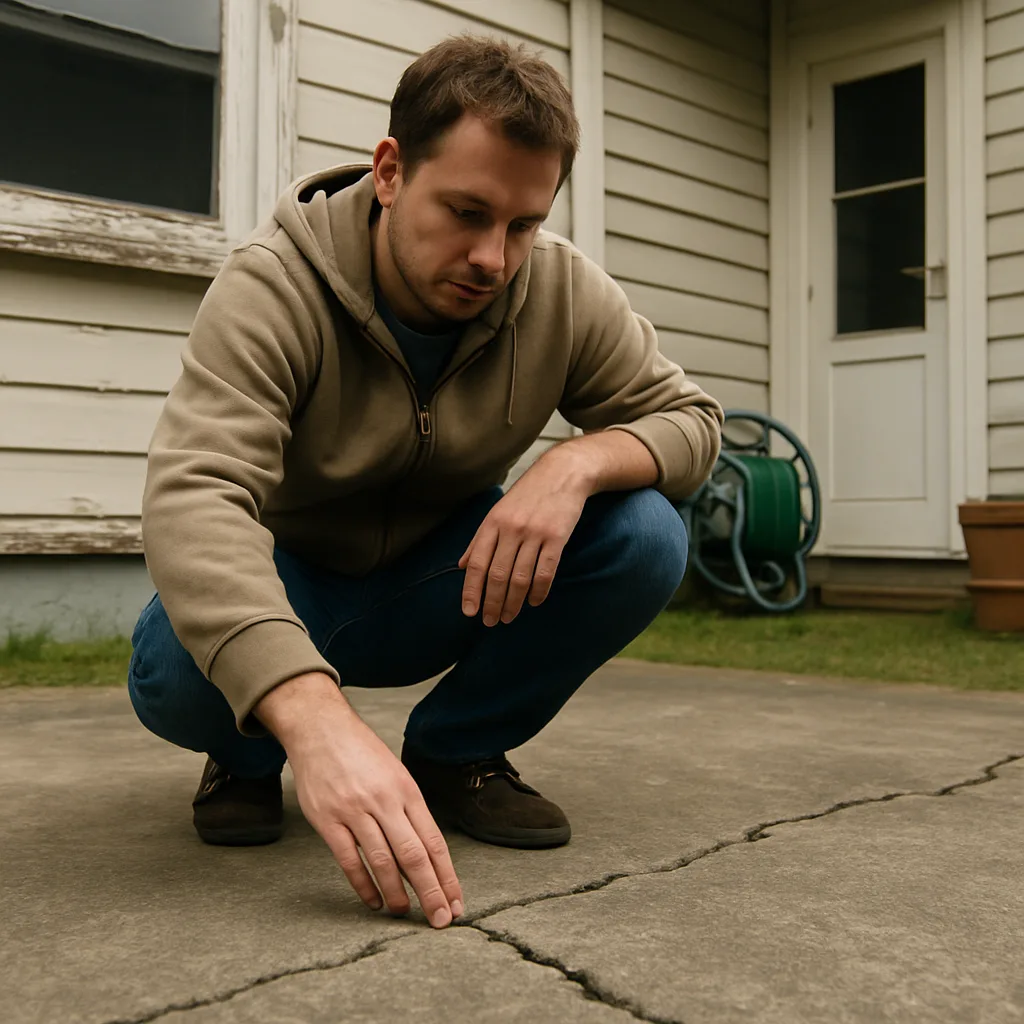
A common example is a shed slab in Rototuna or Flagstaff with hairline cracks after two years. These areas have soft peat soils. Settlement can occur as ground moisture changes. The concrete may remain sound and need only crack filling or resurfacing. Removing it would waste usable concrete and add unnecessary expense.
When should you hold off on a new slab?
Ground movement is common in Waikato’s clay and peat soils, particularly after wet winters. Some hairline cracking after the first season can be normal rather than a sign of failure.
We will tell you directly when repair or resurfacing can do the job. Over more than 10 years, our team has learnt to distinguish cosmetic wear from structural problems. If your slab can be saved, we will say so. That remains our advice even when a full repour would mean more work for us.
Get A Free Quote. Concrete Contractors Hamilton is ready to help.
Every quote starts with an inspection of the ground, not a number.
Concrete slab pricing is not a flat rate per square metre, despite what an online search may suggest. Several variables change with the site. Base course depth, reinforcement, ground conditions and access all affect the price. The finish also matters, from plain broom-finished concrete to exposed aggregate. Hamilton sections with heavy clay or peat soils often need more base preparation before pouring. That work adds time and material regardless of the contractor.
Council compliance can affect the amount of work required. Concrete that does not meet RITS standards may require costly rework later. Ask whether the planned work meets the specification from the start. We build to Hamilton City Council and RITS requirements on every job. Compliance forms part of the original plan rather than an addition afterwards.
Before accepting a quote, ask what the base preparation includes and which reinforcement has been specified. Check whether the price covers site clean-up as well. A proper written quote should answer all three questions without repeated follow-up.
Not every concrete slab needs building consent, but some do. Getting this wrong can cost you later.
A slab beneath a garage, sleepout or extension is structural work. Hamilton City Council will usually need plans before the pour. These cover reinforcement, thickness and the connection between the slab and building. A stand-alone driveway or footpath often sits outside consent rules. Drainage and boundary setbacks still apply. The council may require stormwater controls if a new hard surface changes runoff across the section.
We follow Hamilton City Council and Regional Infrastructure Technical Specifications on every job, whether consent is required or not. The standards guide base course, levels and drainage for Hamilton’s clay soils and wet winters. Skipping those requirements increases the risk of cracking or ponding later.
If you are unsure whether your project needs consent, call our team. We can discuss the slab requirements before any concrete is ordered.
Common questions about Concrete Slabs
The right thickness depends on what will sit on the slab. A garden shed only needs a light slab around 75 mm with basic mesh. A garage or workshop needs a thicker slab with heavier reinforcing steel because vehicle loads press much harder on concrete than foot traffic. House extensions often need an engineer-specified slab tied into your existing foundation. We check the intended use before we recommend a thickness, so your slab holds up for decades.
Early cracking is often caused by ground movement in Hamilton’s clay and peat soils, not bad concrete. Areas like Rototuna and Flagstaff sit on soft peat that shifts as moisture levels change, and Waikato’s wet winters make clay expand and contract. Some hairline cracking in the first season can be normal rather than a sign of failure. We inspect the slab and tell you whether it needs filling, resurfacing, or nothing at all.
It depends on the size and purpose of the slab, but many projects fall under Hamilton City Council’s Regional Infrastructure Technical Specifications. These standards cover base compaction, drainage falls, and reinforcing, and they exist because of Hamilton’s local ground conditions. Concrete poured without meeting RITS can need costly rework later. We build to council standards on every job and can talk you through what applies to your property before we start.
Most slabs can handle light foot traffic within a few days, but full strength takes several weeks to develop. Curing time can shift depending on Hamilton’s weather, since Waikato winters bring more rain and cooler temperatures that slow the process. We plan pour dates around the forecast and let you know a realistic timeline for your specific slab before we book the job.
Your crew starts with the ground, not the truck. We check excavation depth, base course compaction, levels and falls, and reinforcing steel placement before any concrete goes down. This groundwork is what most homeowners never see, but it decides how long the slab lasts. Once everything checks out on site, we pour, level, and finish the concrete to the agreed specification, working around weather where needed.
Yes, in many cases a full replacement is not needed. Shallow shrinkage cracks, minor flaking on an older path, or a structurally sound but tired-looking slab can often be resurfaced or patched instead of removed. Pooling water is sometimes a drainage or fall problem rather than a slab problem. We look at your slab and will tell you when repair makes more sense than a full repour.