
We lay driveways, patios, paths, steps, shed pads and pool surrounds across Hamilton City, handled as one job where a property needs more than one surface. That matters more than it sounds, because surfaces meeting each other have to share levels, falls and joints, and getting that wrong causes the cracking and ponding people usually blame on the concrete itself. Our own crew does all of it, so nobody is waiting on another trade to turn up.
Ready mix comes to NZS 3104 and finishes are worked to NZS 3114. Every job starts with a free site visit, then a written quote per area with the order we would build them in, so you can do the driveway now and the patio later without paying twice for the setup. Tell us at the visit what will park on each surface, because that is what moves the thickness and the steel. Where two surfaces meet, the joint between them is designed, not left to chance.
4.8/5 Ratings
Hamilton
Projects Completed
Years in Business
Happy Clients
Around the Home
Most homes need two or three of these. What follows is what each one demands of the job as a whole.
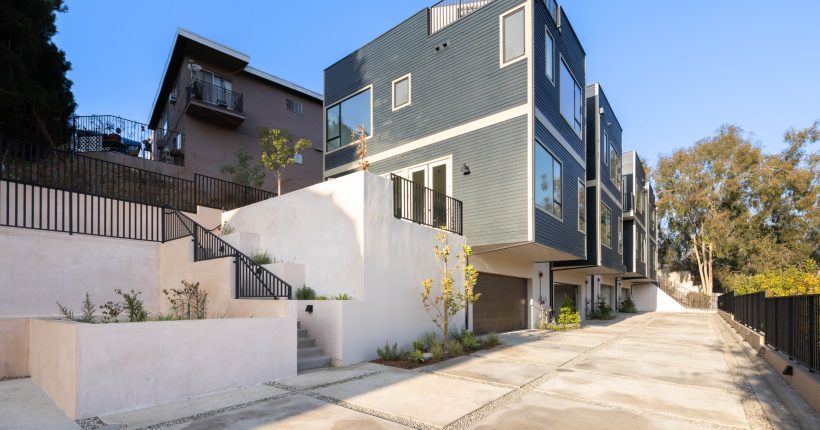
The driveway we pour is the heaviest-loaded surface on the property, so it sets the standard for everything it touches. We pour at 100 mm of 20 MPa with mesh, and where a driveway meets a path or an apron the driveway falls win, because water running off a driveway has nowhere else to go.
It is also the only surface that brings Council in, because of the crossing at the road. If a driveway is anywhere in your plans, it goes first in the programme.
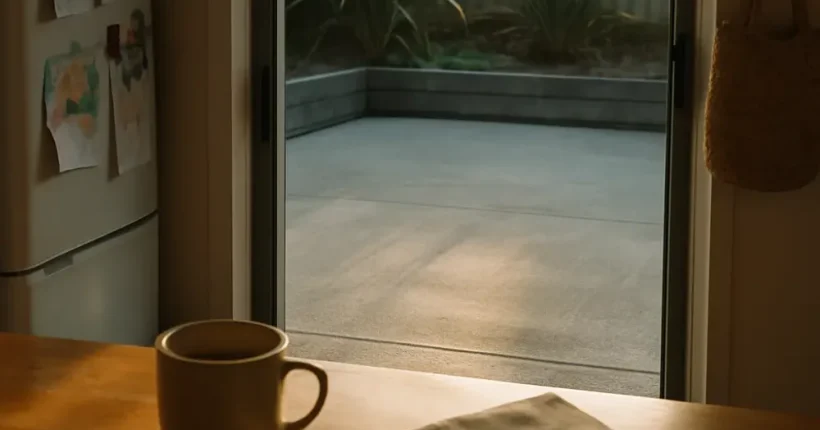
The level at the door decides every patio we lay. A patio has to sit low enough to keep water away from the cladding and the foundation, and high enough that the step out of the ranch slider is not a trip.
That gap is often smaller than people expect. We pour at 100 mm with mesh and set falls so a patio and a path meeting at a join both drain away from the house rather than into it.
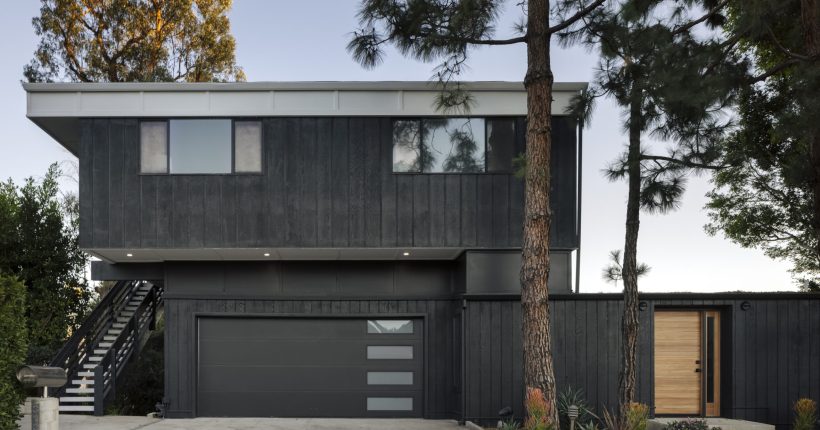
Paths are the cheapest work we do per square metre, and usually where a job gets underspecified. Over reactive ground a path with no control joints in the right places will crack, straight across the middle where everyone sees it, so we cut joints to a quarter of the 100 mm slab depth.
Steps are the opposite. Small, expensive, and worth getting right, because the risers have to be consistent. Uneven risers are the thing people trip on years later, in the dark, carrying something.
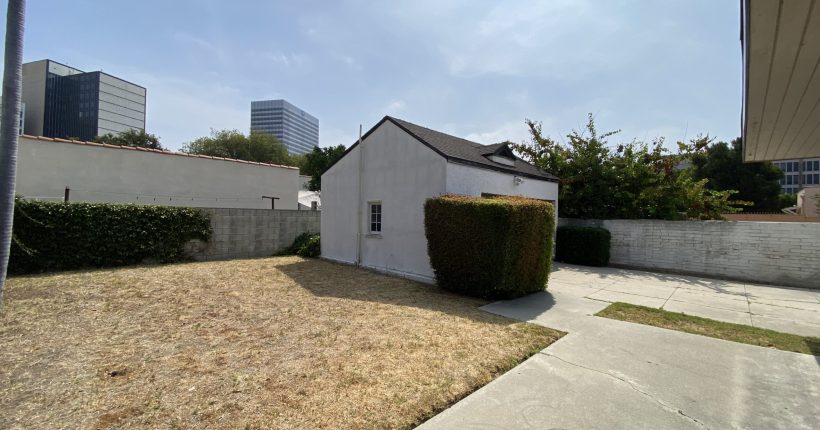
A garage, shed or sleepout pad gets specified by what goes on top of it, so we need the footprint, the wall construction and whether it joins the house before we can price it. We pour these from 100 mm in 20 MPa, heavier where machinery or a hoist is going in.
Floor level matters as much as thickness, because a pad set wrong makes the door detail and the drainage awkward for the life of the building.
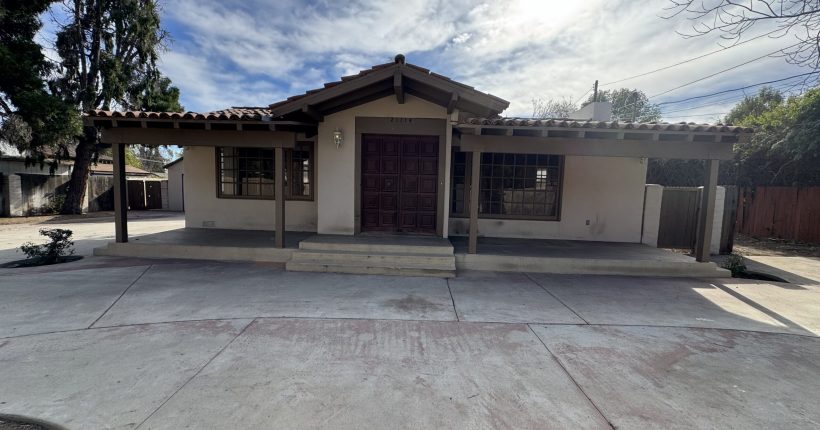
On the pool surrounds we pour, grip and drainage do the work and both pull against a smooth finish. A surround needs enough texture to be safe wet and enough fall to carry water away from the pool, so we finish to the classes in NZS 3114.
Pool fencing requirements affect where levels can sit, because a change in ground level changes the effective height of a barrier. We would rather know your fencing plan before setting the boxing.
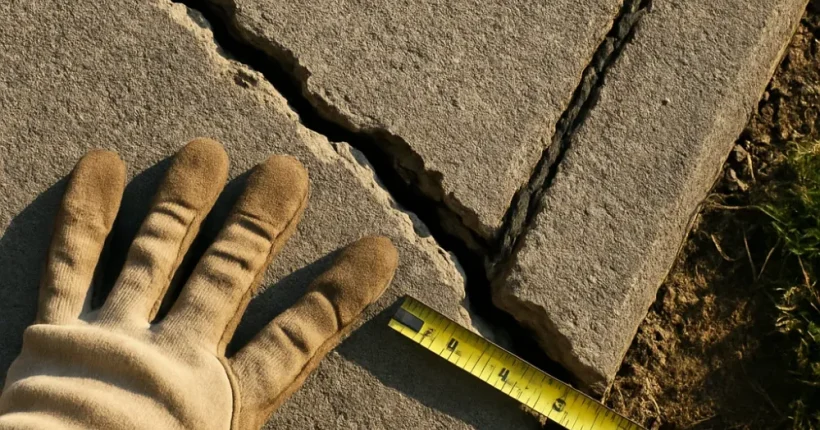
Before we quote a repair, the first question is whether the surface failed or the ground moved. Crazing and efflorescence are usually cosmetic and cost far less to deal with than replacement. Delamination, or panels that have stepped, tilted or opened at a joint, points to something underneath.
Settlement in the subgrade, or peat, which around Rukuhia has been measured subsiding 25.6 mm a year. We tell you which of those you have before we quote a fix.
How a Job Runs
STEP 1
We walk the whole property, past the area you asked about, because a patio quote often turns out to need the path beside it resolved at the same time. You get our read on sequence, access and what the ground looks like it will need.
STEP 2
A written quote splitting the job by area, with the concrete grade, mesh and basecourse depth stated for each. Where more than one surface is involved you also get the order we would do them in and why, so you can stage it across budgets if you want to.
STEP 3
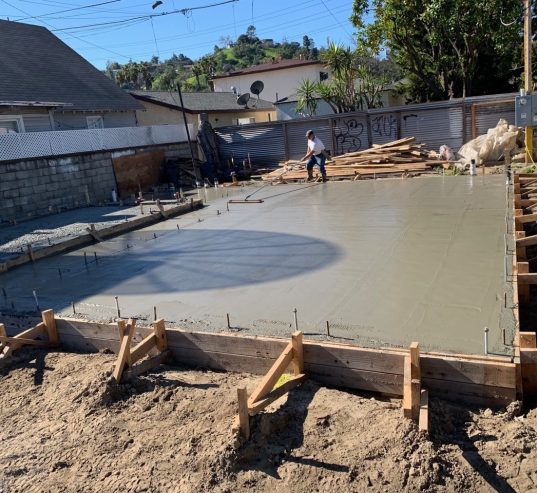
Strip, cart, basecourse compacted in layers no thicker than 150 mm, formwork to level with falls confirmed against where water actually needs to go. Mesh on chairs at correct cover, 665 on flatwork and Grade 500E where the job is a house slab. Pour at 20 MPa or better, screed, float and finish, holding the trowel until the bleed water has gone. Control joints cut to the panel layout, timed to the concrete.
Rates go by area and by finish. A broom finish sits in the $100 to $150 band, coloured concrete $120 to $170, exposed aggregate $130 to $200+, and stamped $120 to $170.
What moves it, in rough order of impact.
Site Assessment
We write the quote after the site visit, because these are the things that change the number and none of them are visible from an address.
What the ground is made of, how it drains, and whether subsoil drainage is needed under the new work.
Where the fall runs now, and where water goes across the property when it rains hard.
The floor level at every door the new concrete will meet, so the finished surface lands where it should.
Whether a truck can reach the pour, whether a pump is needed, and whether any of it has to be hand-barrowed.
Whether an old surface is coming out, how thick it is, and whether it holds mesh or reinforcing.
Water, wastewater, power, gas and irrigation running under or beside the area to be poured.
Trees close enough for roots to lift or crack the slab, either during the job or in the years after it.
Whether the work reaches the crossing in front of your boundary, which brings Hamilton City Council in.
Council asks to be contacted before any work on a vehicle crossing, repairs included, and signs the finished work off, so anything reaching that strip in front of your boundary involves them. Lodging it and booking the inspections is part of what we do.
Hamilton Ground Conditions
The 2023 Census counted 216,222 dwellings across Waikato, up 9.0% in five years, much of it Hamilton’s newer subdivisions. New sections bring their own problem. Builder’s fill, compacted to a standard nobody wrote down, sitting exactly where your patio is going.
The older suburbs have the opposite issue. Established trees, services laid before anyone mapped them properly, and paths poured decades ago at levels that no longer suit the house. Under both sits Hinuera Formation ground. Horotiu soil drains freely where the land rises, Te Kowhai gley holds water where it dips, and that is why a patio two streets away can need drainage yours does not. Neither shows from the street. That is what the site visit is for.
Homes are most of what we pour, though not all of it. The commercial slabs and rural pads we also take on are part of the same concrete work across Hamilton City.
Vehicle crossing requirements per Hamilton City Council. Dwelling counts from the 2023 Census. Read every figure here as a guide, not a quote.
Concreting Questions
Usually yes, and it is normally cheaper than doing them separately because setup, excavation and concrete orders combine. The reason to split them is access. If the pump or truck has to cross one area to reach the other, they have to be sequenced instead of poured together. We work that out on site.
Per square metre and, a broom finish runs $100 to $150, coloured $120 to $170, exposed aggregate $130 to $200+, stamped $120 to $170. Prep under the slab moves the total more than the finish.
You can walk on it after a day or two and drive on it at roughly a week, in decent conditions. Cold, damp weather stretches both, which is why you get dates for your specific pour instead of a general rule. Outdoor furniture is best left off a new patio for a few days past the point where walking on it is fine.
Yes, and it is common. The important part is that the whole layout gets designed at the start even if only part is poured, so levels and joints on stage one are set up for stage two. Designing stage two after stage one is poured is where the awkward joins come from.
Anywhere in Hamilton City. North through Rototuna, Flagstaff and Chartwell, the central suburbs around Claudelands and Hamilton East, south to Glenview and Melville, and out west through Nawton, Dinsdale, Frankton and Rotokauri. The lifestyle blocks at Tamahere, Matangi and Newstead as well.