
We build concrete driveways across the Waikato, in Cambridge, Te Awamutu, Morrinsville, Ngāruawāhia, Huntly, Raglan and the lifestyle blocks between them. Rural entrances, long driveways, passing bays, culverts and full replacements are all work our own crew takes on. Outside the city the ground changes with the district and the entrance is often the biggest single pour on the property, so what runs on it decides the slab underneath it.
A tanker, a stock truck or a horse float moves the build up from a residential specification, and that gets settled at the visit, not assumed. We confirm which roading authority your entrance falls under before quoting. Ready mix is produced to NZS 3104 and joints are saw-cut the same day, or the next morning if it is cold. The site visit is free and it covers the entrance as well as the driveway.
4.8/5 Ratings
Hamilton
Projects Completed
Years in Business
Happy Clients
Regional Driveways
A rural driveway is a different job from a suburban one, in length, in loading and in who approves the entrance. These are the six we are called out for most.
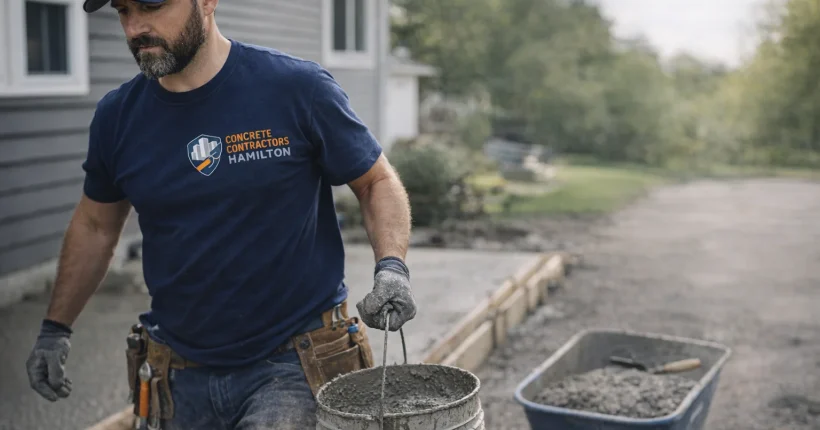
The bulk of our work outside the city, and the length is what changes everything. A 60 metre driveway costs more in base than it does in finish, and the falls have to shed water across the whole run, since one sump at the bottom cannot take it.
We build the base to the traffic the driveway actually takes, which on a lifestyle block means the delivery truck and the horse float. Tell us the heaviest vehicle that comes up it.
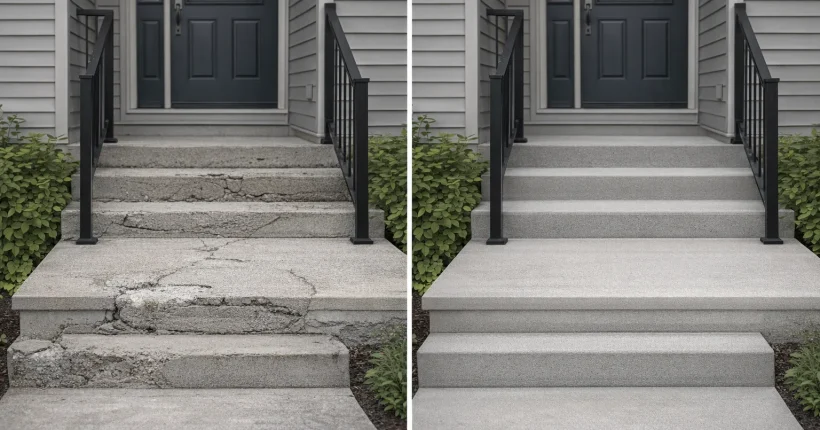
We plan long driveways properly on anything over about 50 metres. A single-width driveway with nowhere to pass turns every delivery into a reversing job, and reversing is where driveways get damaged at the edges. We set passing bays where the sightlines work and widen the turning area at the top so a truck can turn and drive out forwards.
Say at the visit whether a tanker, a stock truck or a furniture lorry needs to get up there.
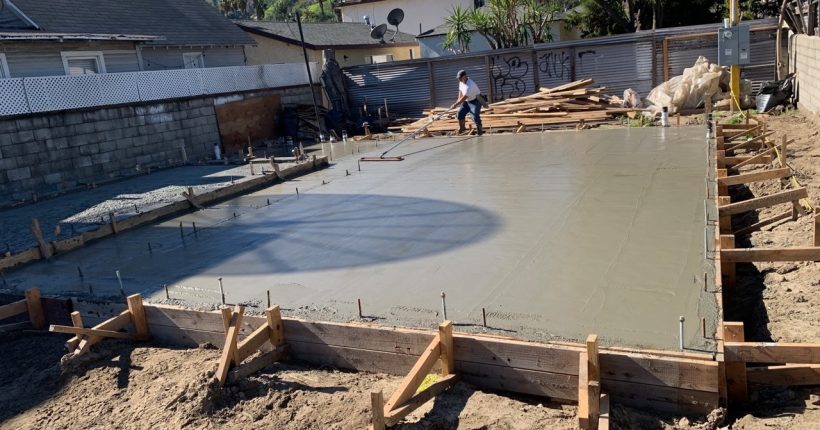
We build rural entrances and culverts, the part of a driveway most people forget to budget for and the part that decides whether the rest of it drains. Where a driveway crosses a roadside drain it needs a culvert, and the Waikato District standard sets a 300 mm concrete culvert as the minimum.
Gradient is controlled too, at 1 in 4 for a residential entrance. We check the drain, the sightlines and the gradient at the visit and confirm what your entrance has to meet before you commit.
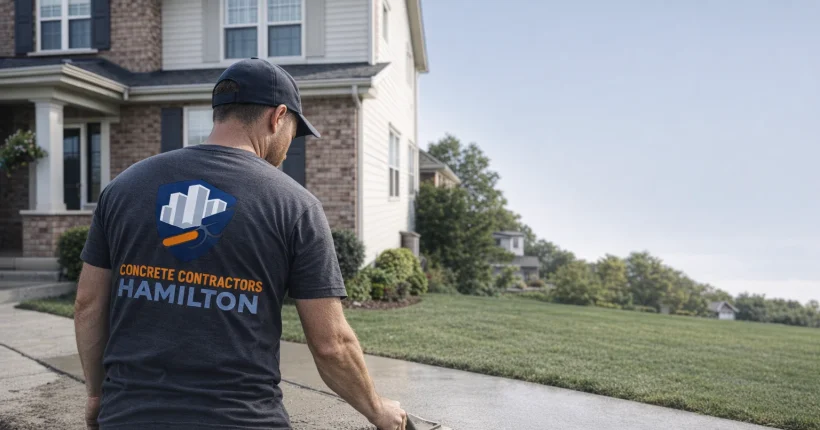
The town driveways we pour in Cambridge, Te Awamutu, Morrinsville and Ngaruawahia are closer to city work, with shorter driveways and a formed kerb to cross. Urban entrances in the Waikato District are built in concrete to the district technical specifications and sealed 5 metres back from the road seal edge, where rural entrances are usually chip seal.
Which one applies is set by where the property sits, not by what the owner would prefer, so we confirm it before quoting.
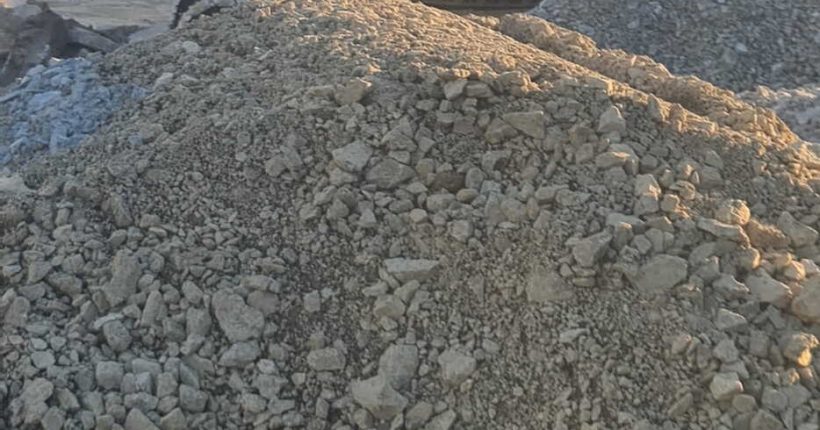
Tanker and farm access carries weight no residential driveway is designed for, so we build it heavier, and they carry it on a schedule in all weather. Base depth and slab thickness both rise, and the turning head at the shed matters as much as the run in. A commercial entrance is held to a gentler gradient than a residential one, at 1 in 10 within 6 metres of the road.
Tell us the vehicle and the frequency, because daily heavy traffic is a different design from occasional.
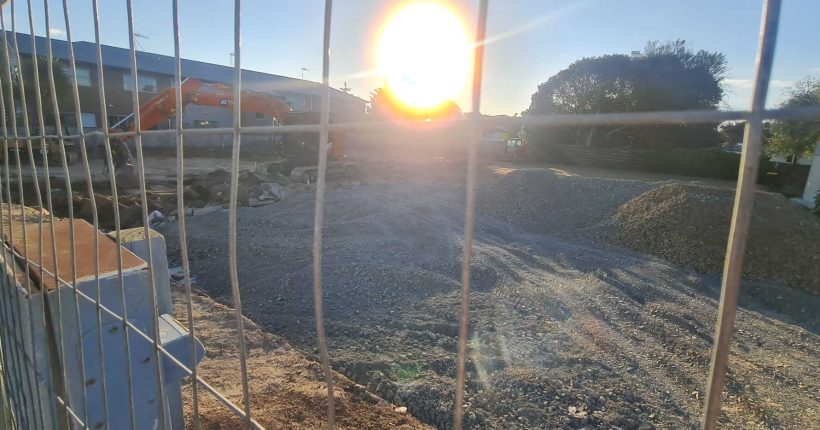
Before quoting a new driveway we work out whether you need one. Fine surface crazing is cosmetic. Rocking panels, cracks opening season by season and a surface breaking up at the edges all point at a base that was never built for the traffic.
Widening means doweling into the old slab so the two move together, and matching its thickness, usually 100 mm. Where the old slab has no mesh in it, doweling achieves nothing and we say so at the visit.
Waikato Build Method
STEP ONE
We walk the run, check the subgrade and the falls, and look at the entrance, the roadside drain and the sightlines. We confirm which roading authority the property sits under, since the standard for your entrance comes from them. The assessment costs nothing and lands before any figure does.
STEP TWO
The written quote comes back within a few days and states the basecourse depth, the slab thickness, the concrete grade, the mesh, any culvert and the falls for your site. Anything that changes the build, a turning circle for a tanker, a soft patch in the drain line or a gradient that needs cutting, is priced in at that point rather than raised later.
STEP THREE
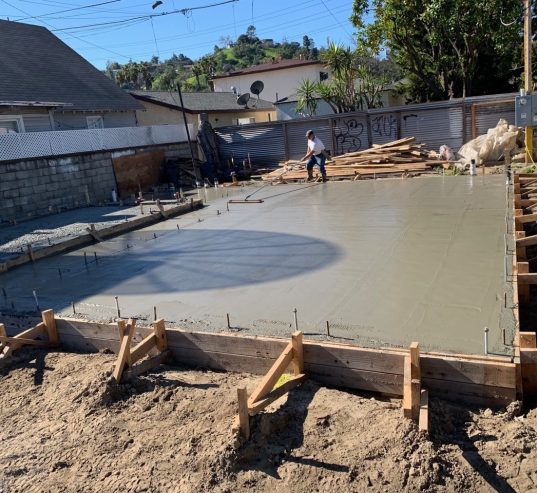
Strip the old surface to depth, cart away, basecourse compacted in layers no thicker than 150 mm. Boxing set to level with falls confirmed, mesh on chairs at correct cover, then place, screed, float and finish. Joints cut the same day or the next morning. People can use it within a day or two, cars after seven days and ten through winter.
Plain broom work prices between $100 and $150 per square metre. Coloured concrete is $120 to $170, exposed aggregate $130 to $200+ and stamped $120 to $170. The table is indicative; the written quote follows the visit.
What moves it, in rough order.
In whole-job terms, a new 30 m² driveway typically runs $3,000 to $4,500, replacing a 60 m² driveway runs $7,200 to $10,800, and resurfacing 50 m² runs $2,000 to $4,000.
Free Site Visit
A concreter walks the run, checks the subgrade and the falls, looks at the entrance and the roadside drain, and confirms which roading authority your property falls under. No charge and no obligation.
Entrance Standards
The Waikato covers 23,901 square kilometres and 11 territorial authorities, and the entrance standard depends on which one your property sits in. That is the single biggest difference between a driveway job here and one in the city, and it is the part that catches people out.
Under the Waikato District Vehicle Entrance Policy, urban entrances are built in concrete to the district technical specifications and rural entrances are formed in chip seal, sealed back 5 metres from the edge of the road seal. Gradient is capped at 1 in 4 for a residential entrance and 1 in 10 within 6 metres of the road for a commercial one. Where a roadside drain is crossed, the minimum is a 300 mm concrete culvert. You can read the application process on the Waikato District Council vehicle entranceways page.
The entrance is programmed as its own stage, not tacked onto the driveway, because it carries its own lead time and it is the part that stalls a job when it is left late. We settle the entrance scope at the site visit and build that time into the programme before a pour date is given. District driveways and city driveways run through the same yard, the same suppliers and the same crews, all booked through one concreting company in Hamilton.
Entrance standards per the Waikato District Vehicle Entrance Policy and district technical specifications. Regional area and territorial authority counts from the 2023 Census. Basecourse compacted in layers to the depth the dig calls for. Reinforcing mesh to AS/NZS 4671.
Waikato Ground Conditions
The region grew 8.9 per cent to 498,771 people at the 2023 census, with Waikato District the fastest at 13.7 per cent. New sections across that growth sit on very different ground. Three things we check.
Peat country runs south and west of the city, through Ohaupo, Komakorau, Rukuhia and the Te Kauwhata flats. In the Rukuhia swamp the surface has been measured settling 25.6 mm a year, about two metres across eight decades, so a driveway out there gets joints and steel sized for ground that keeps moving under it.
The same sand and silt ground runs well past the city boundary into the district. It left free-draining Horotiu soils on the mounds and slower Te Kowhai gley soils in the swales, and a long driveway usually crosses both.
Waikato District added dwellings faster than anywhere in the region. New sections often sit on builders fill placed to a standard nobody recorded, so we dig to see what is under the topsoil.
We dig test holes along the run before pricing a base. On a driveway of any length the ground changes between the road and the house, and the base depth changes with it.
A suburban driveway is short, close to the plant and built for two cars. A rural driveway is long, further out and carries whatever gets delivered. The concrete rate looks similar. What sits underneath it does not, because base depth follows the traffic and the traffic on a lifestyle block includes vehicles that never visit a town section.
Distance changes the cost too. Concrete has a working life measured in minutes once it leaves the plant, so travel time affects how a pour is staged and how many trucks are needed. On long runs we stage the pour in sections so each one is finished properly before the next truck arrives.
Concrete Driveways, Waikato
Rural and lifestyle block driveways, long runs with passing bays, entrances and culverts, tanker access and full replacements. Licensed, insured and used to working across the region councils. Tell us the address and the length.
Waikato Driveway Questions
Plain broom work prices between $100 and $150 per square metre. Add colour and the range is $120 to $170; exposed aggregate runs $130 to $200+ and stamped work spans $120 to $170.
The heaviest vehicle that uses it, and how often it comes up. A tanker, a stock truck or a horse float moves the build up from a residential specification, and the base depth follows that rather than the length of the driveway. We settle it at the site visit and put the specification in the written quote.
You do where the entrance crosses a roadside drain, and the culvert has to carry the flow without ponding water against the driveway. We check the drain, the fall and the sightlines at the site visit and confirm what your entrance needs before you commit.
Thicker than a town driveway, because the traffic is heavier. Base depth follows the vehicles that actually use it, which on a lifestyle block means the delivery truck and the float. Tell us the heaviest vehicle and how often it comes up, since daily heavy traffic is a different design.
Around 50 metres is where it starts to matter. Without somewhere to pass, every delivery becomes a reversing job and reversing is what damages driveway edges. We set passing bays where the sightlines work and widen the turning area at the top so a truck can turn at the top and drive out forwards.
Cambridge, Te Awamutu, Morrinsville, Ngaruawahia, Huntly, Raglan and the lifestyle blocks between them, across a region of 23,901 square kilometres and 11 territorial authorities.