
Concrete Contractors Hamilton pour vehicle entrances, dairy yards and tanker tracks, implement bays, town driveways, patios and paths across Ōtorohanga. Farm work and town work alike are poured by our own crew, with the mix specified to the load rather than to a rate card. Most of the district’s homes and farms sit outside the town, with 4,416 private dwellings across the district against 1,248 in the town area in the 2023 Census, so a week here can hold a town patio and a farm entrance carrying a stock truck.
Those two jobs look similar from the road and are nothing alike underneath, which is why we ask what will use a surface before we price it. Out in the hillier country the falls and the run in for a loaded truck take longer to work out than the pour itself. We visit the property free, walk the access, take the levels and put a written quote in front of you covering the full concrete scope.
4.8/5 Ratings
Hamilton
Projects Completed
Years in Business
Happy Clients
Concrete Services in Ōtorohanga
Our crews pour vehicle entrances, dairy yards, tanker tracks, implement bays, town driveways, patios and paths across Ōtorohanga.
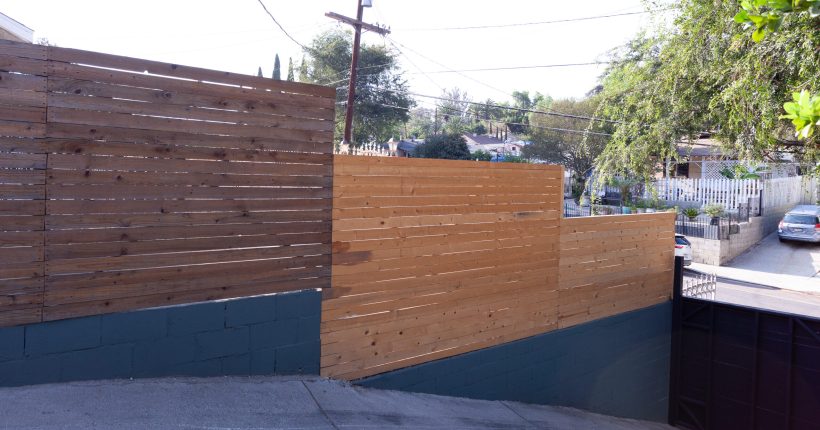
Town driveways are the standard build we lay most weeks: 100 mm at 20 MPa over compacted basecourse, 665 mesh in the top third at 30 mm cover, joints saw-cut.
That carries cars, utes and vans up to 2.5 tonnes.
The 2023 Census counted 1,245 private dwellings in the Ōtorohanga statistical area, most of them on established sections where the old driveway comes out before the new one goes in.
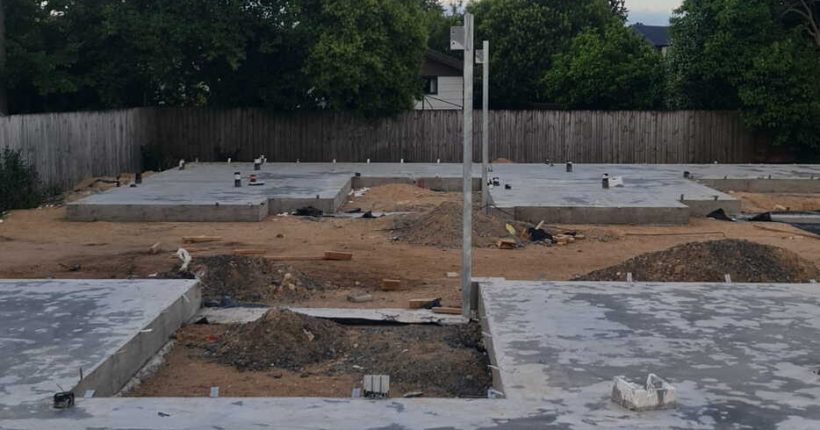
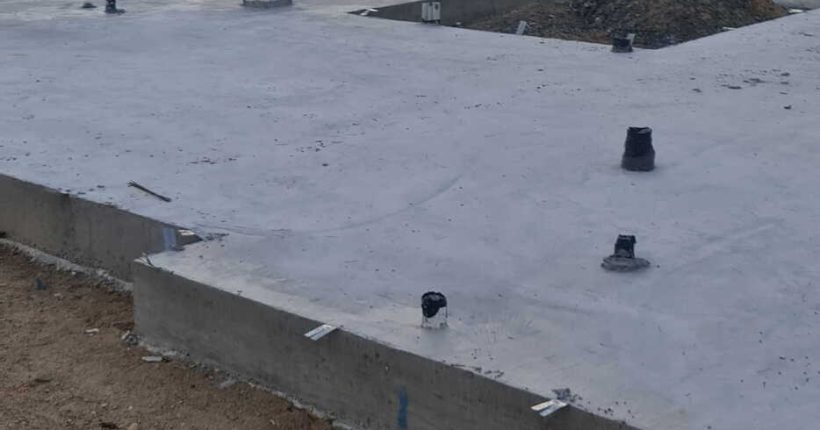
We pour house slabs and foundations on both town sections and rural blocks, and the two are not the same job.
In town the constraint is access for the truck. On a block it is the distance from the road and what the ground is doing underneath. On good ground the slab is built to NZS 3604. Where an engineer has specifically designed it, footing depth and thickenings come off their drawings rather than a standard detail. Send the plan and any geotechnical report together.
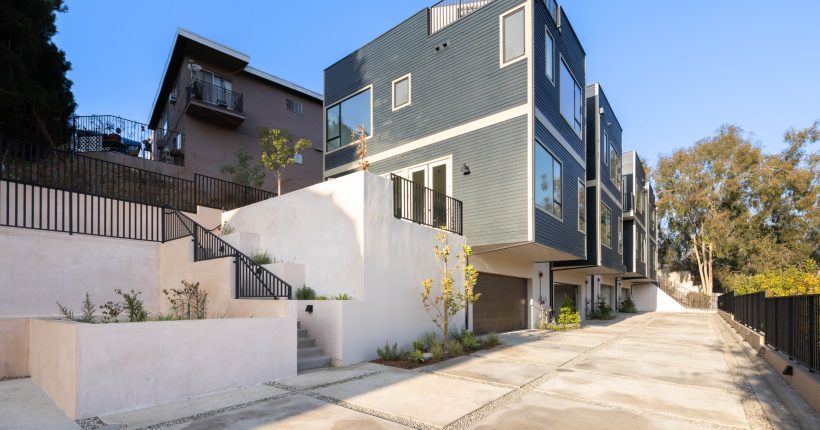
We build vehicle entrances right across Ōtorohanga District, from a town crossing to a farm entrance that has to carry a stock truck or a tanker.
The specification follows the loading. A car entrance and a tanker entrance look much the same from the road and are nothing alike underneath, so we ask what will use it before we quote it.
We take the levels, check the swing off the road and confirm what applies at the address before the price is set.
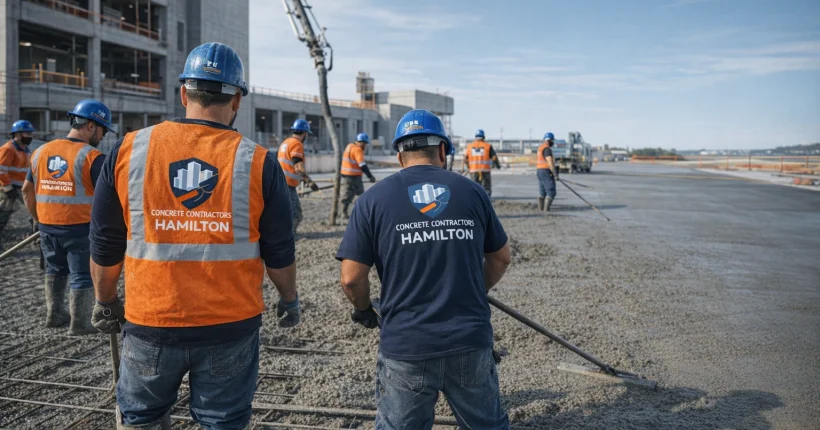
Dairy surfaces take punishment from two directions at once, and we specify for both: hoof wear and effluent from above, heavy axle loads from the tanker and the tractor.
Grade goes to 30 MPa on the heavier work, and the falls are set so the yard drains rather than ponding, because standing effluent on a slab is a wear problem as well as a nuisance.
Show us the tanker route at the site visit. It decides where the thickened sections go.
The shed floor gets sized to the machinery, and we ask the awkward question first: what is the heaviest thing that will ever come in here, including the contractor’s gear at harvest.
A floor built for a ute cracks under a loaded tractor within a season.
Above 3 tonnes gross the mix moves to 25 MPa, above that to 30 MPa, with 150 mm or more and heavier steel. An apron at the door keeps the mud outside and protects the slab edge.
Commercial floors are scoped by us on loading, subgrade, area, joint design and staging, because none of that is visible in a floor plan once forklifts are involved.
Surface tolerance is fixed in the specification so racking sits flat.
Official counts put 540 businesses in the Ōtorohanga statistical area at February 2025, so town commercial work sits alongside the rural jobs on our schedule.
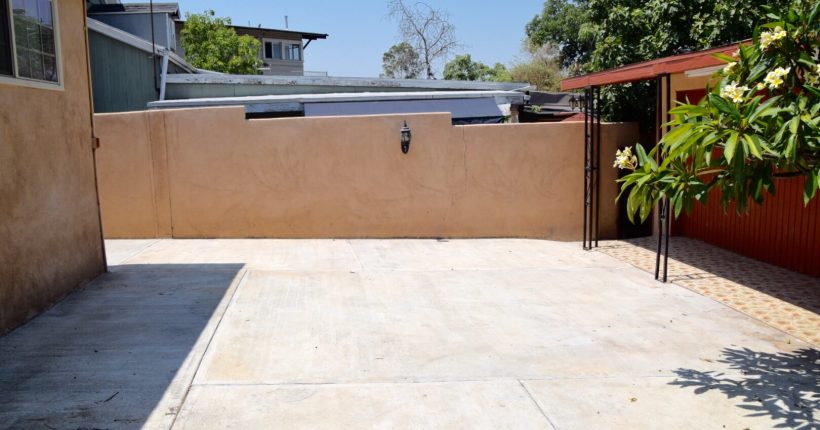
At the house we pour patios and outdoor areas, and this is finish work, not load work even on a farm.
What decides the layout is where the shelter sits, since an exposed area on a Waikato block gets used far less than a sheltered one. Falls run away from the house and doorways. A broom finish stays walkable when it is wet, which matters where boots come straight off a yard.
Paths between the house, the sheds and the gate are what we get asked for once a larger pour is already booked, and there is a good reason to do them together.
One truck movement covers both pours. Steps get formed where the level changes rather than ramping a full run, and treads carry more texture than the flat sections. Tell us the route and we will tell you the width it wants.
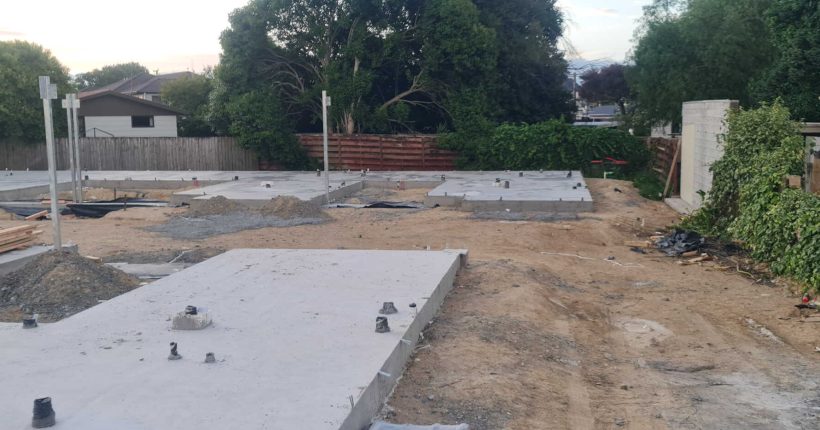
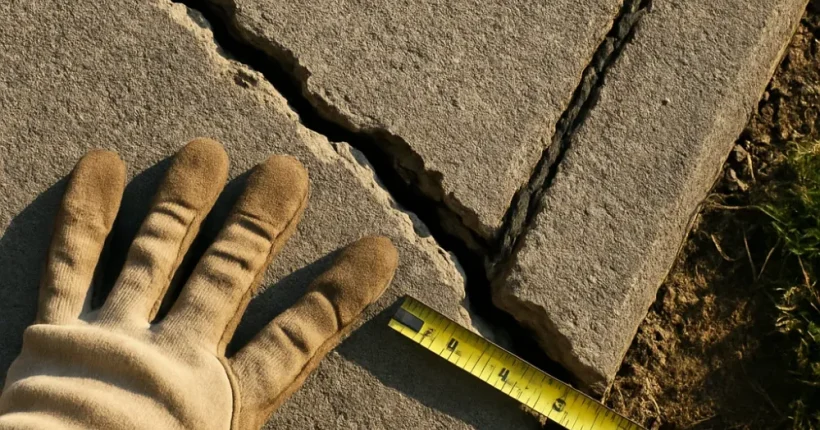
Broken panels get an honest assessment from us before anything is quoted, because half the slabs we are asked to replace only need repair.
A stable crack in a sound slab is stitched and filled. Spalled surfaces and open joints are resealed.
Panels that have stepped or settled have a base problem underneath, and resurfacing them buys a season at most.
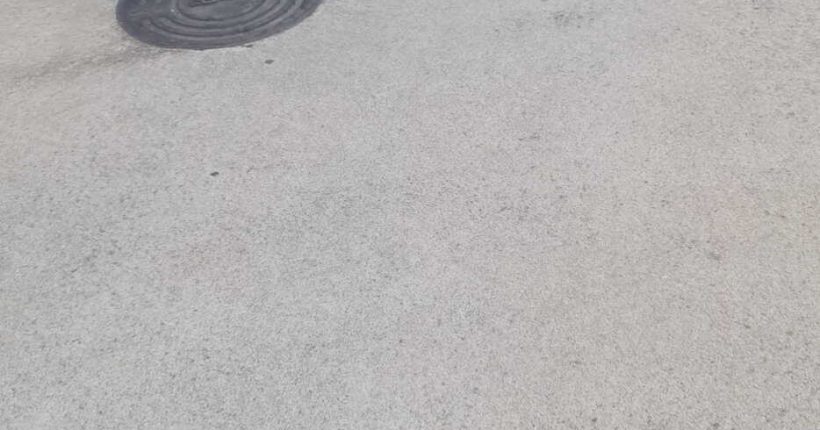
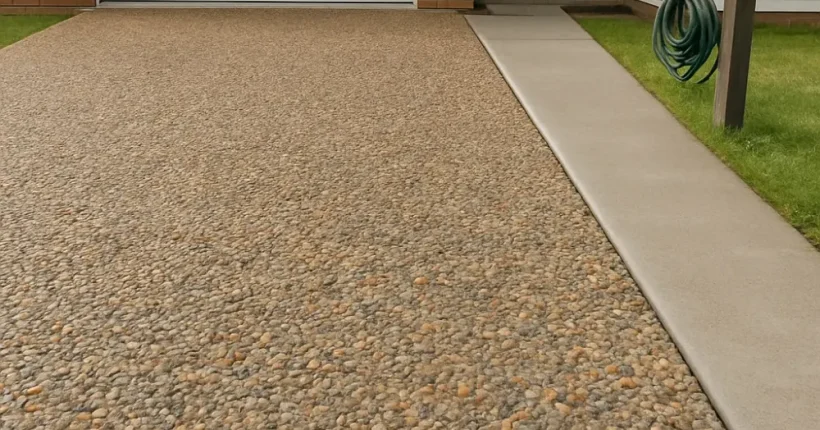
We lay exposed aggregate and coloured concrete where the surface is on show, which on most properties here is the entry and the area by the back door instead of the working end.
Exposed aggregate hides marking, which suits a surface walked on in farm boots. Oxide batched through the mix holds its colour at the edges where a surface hardener wears back to grey. NZS 3114 covers the finish classes we work to.
Free on-site assessment
The assessment is free. We look at the ground, the falls and the drainage first, then put the quote in writing.
Every Ōtorohanga job runs the same way, whether it is a town patio or an entrance carrying a tanker.
| Step | What happens |
|---|---|
| 1. Free Ōtorohanga site assessment and levels | We walk the entrance, the yard or the driveway, take levels, check the run in for a loaded truck and ask what will use the surface. No charge and no obligation. |
| 2. Written quote for the concrete scope | The quote covers excavation, cartage, base, steel, the pour, the finish and joint cutting. It is written after the visit, so a tanker track is priced as a tanker track and a town driveway as a town driveway. |
| 3. Excavation, cartage and compacted basecourse | We strip to firm ground, cart the spoil off and lay compacted basecourse, deeper where the subgrade is soft. Out in the hillier country the falls get set at this stage. |
| 4. Steel, pour and the chosen finish | Boxing set to the agreed levels, mesh on chairs at the right cover, then place, screed and finish. Grade and thickness follow the load rather than the square metres. |
| 5. Joint cutting, curing and handover | Joints saw-cut, same day or the next morning if it is cold. We clean up and give you the walk-on and drive-on dates. |
Ōtorohanga Concrete Pricing
Ranges and are indicative, not a quote. A free assessment comes first; the price comes out of it. They assume a complete job on a straightforward site and cover subgrade preparation, excavation and cartage, compacted basecourse, reinforcement, the pour, the finish, joint cutting and clean-up.
Driveways and flatwork, per m², roughly 30 m² and up
| Finish | Range |
|---|---|
| Plain or broom finish | $100 to $150 |
| Coloured concrete | $120 to $170 |
| Exposed aggregate | $130 to $200+ |
| Stamped or patterned | $120 to $170 |
The $100 end assumes clear access and ground needing no extra work.
Smaller areas, per m²
| Item | Range |
|---|---|
| Patio or courtyard, plain finish, roughly 15 to 30 m² | $100 to $150 |
| Paths, footpaths and narrow strips | $100 to $150 |
Dairy yards, feed pads, tanker tracks, commercial slabs and hardstand, house slabs and foundations to NZS 3604, breaking out existing concrete and sealing are all quoted per job.
A published rate is only worth comparing once you know what it includes. Many rates you will be shown are supply and place, with excavation, cartage, basecourse and drainage priced on top. Ask what sits inside every rate you are given.
Ōtorohanga Site Conditions
Ōtorohanga District Council describes a district of 1,976 square kilometres, running from the Kāwhia and Aotea Harbours on the west coast 90 km east to the Waikato River near Mangakino, and sitting 50 kilometres south of Hamilton. Council divides it into three areas of roughly equal size and says the eastern and western parts are predominantly hillier, with the central area forming the southern limit of the Waikato Basin.
That matters for concrete in a practical way. Falls, levels and truck access are a bigger part of the job in the hillier country than they are on the flat, and they get worked out at the site assessment, not assumed from an address.
Council states the local economy is primarily agricultural, with sheep, beef and dairy farming the principal activities, and describes the town as a service centre for the surrounding rural areas. The dwelling counts show the same shape: 1,245 private dwellings in the Ōtorohanga statistical area in the 2023 Census, against 4,416 across Ōtorohanga District. Most homes in the district are outside the town, which is why the service list here runs from a town patio through to a tanker track.
Ōtorohanga takes a macron. The New Zealand Geographic Board made the macronised form official in 2022, and LINZ records the town as a locality on State Highway 3, about 17 km north of Te Kūiti.
We publish no ground or soil claim for Ōtorohanga, because none has been verified. What is under a particular slab is answered on site, not from a map.
Ōtorohanga is far enough south that the run matters to a pour, so the schedule is built around it by the same Hamilton-based concrete contractors who cover the closer towns.
Free on-site assessment
The assessment is free. We look at the ground, the falls and the drainage first, then put the quote in writing.
Ōtorohanga Concrete Questions
Plain or broom finish flatwork runs $100 to $150 per m², on areas of roughly 30 m² and up. Coloured runs $120 to $170, exposed aggregate $130 to $200+ and stamped $120 to $170. Patios of 15 to 30 m² run $100 to $150. Those are indicative ranges. Dairy yards, feed pads, tanker tracks and commercial slabs in Ōtorohanga District are quoted per job, because loading and joint design matter more than area.
The address, what will use the surface and how a loaded truck gets in. We walk the entrance or the yard, take levels and check the run in, because a tanker track and a town driveway are different slabs even when they are the same width. We confirm what applies at the address before pricing, and the written quote covers the concrete scope.
Above 3 tonnes gross we specify 25 MPa, above that 30 MPa, with 150 mm or more and heavier steel where tankers and tractors run. Falls are set so the yard drains and effluent does not stand on the slab. Ready mix is supplied to NZS 3104 and the work is built to NZS 3109. The exact call is made at the Ōtorohanga site visit once we know the tanker route and the heaviest axle load.
The build itself depends on the size of the pour and on the weather. Concrete keeps gaining strength after it goes down, so foot traffic comes well before vehicles, and we give you both dates at handover rather than a rule of thumb. Scheduling is set when you accept the quote, and we tell you then what the run out to your address does to the booking.
Yes. Council describes a district of 1,976 square kilometres running from the Kāwhia and Aotea Harbours 90 km east to the Waikato River near Mangakino, and the 2023 Census counted 4,416 private dwellings across it against 1,248 in the town area. Most of the district’s homes and farms are outside the town, so rural entrances, shed floors, yards and tracks are ordinary work for us.
A standard town driveway is 100 mm thick at 20 MPa over compacted basecourse, with 665 mesh in the top third at 30 mm cover and joints saw-cut. That carries cars, utes and vans up to 2.5 tonnes. Where the driveway doubles as access for a horse float or a work truck we go to 150 mm or more with heavier steel. Basecourse is 100 mm compacted basecourse over good ground and 200 mm or more over soft subgrade.
It depends on what the crack is doing. A stable crack in a sound slab is stitched and filled, spalled surfaces are made good and open joints are resealed, all of which cost far less than replacement. Panels that have stepped or settled have a base problem under them, and resurfacing there lasts a season. We tell you which one you have at the free assessment, including when the honest answer is that the slab has years left in it.
Ōtorohanga town and the surrounding Ōtorohanga District, along with Hamilton City and the wider Waikato where most of our work is. Council puts the district 50 km south of Hamilton.